
How Do You Choose the Right Lighting for Each Room?
Interior Design Tips
Choosing the right lighting isn't just about brightness - it's about function, mood, and balance. Each room serves a different purpose, so your lighting should support how the space is used.
Here's a practical guide to choosing the right lighting for each room:
1. Start with Layered Lighting
Every room should have three layers:
-
Ambient lighting - Overall illumination (ceiling lights, chandeliers)
-
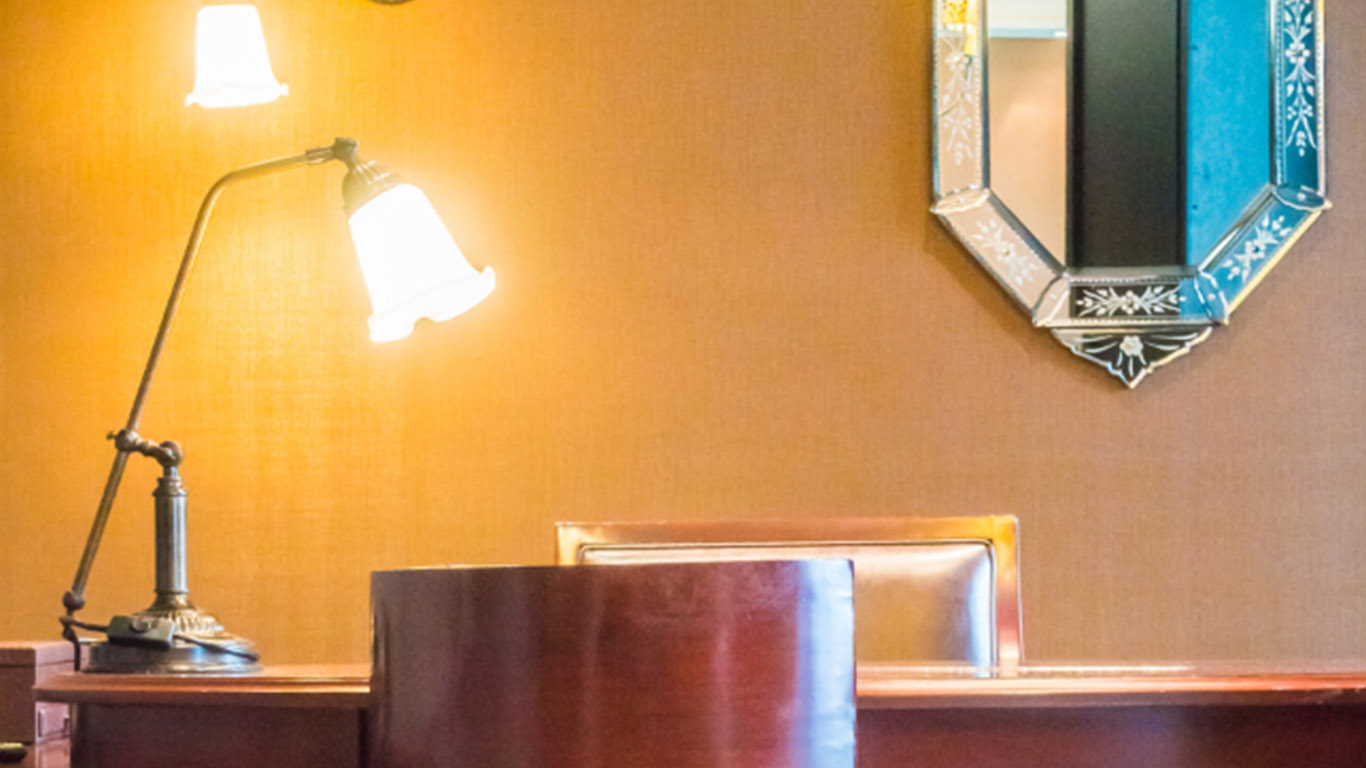
Task lighting - Focused light for specific activities (desk lamps, under-cabinet lights)
-
Accent lighting - Decorative or highlight lighting (wall sconces, LED strips, spotlights)
Layering prevents harsh shadows and creates depth.
2. Living Room Lighting
Goal: Warm, inviting, and flexible.
-
Use a central ceiling fixture or recessed lights for ambient light.
-
Add floor or table lamps near seating for task lighting.
-
Use accent lighting to highlight artwork or shelves.
-
Choose warm white bulbs (2700K - 3000K) for coziness.
Tip: Install dimmers to adjust mood from bright gatherings to relaxed evenings.
3. Bedroom Lighting
Goal: Calm and relaxing.
-
Soft ambient lighting (avoid overly bright ceiling lights).
-
Bedside lamps or wall-mounted reading lights.
-
Consider warm bulbs (2700K) for a restful atmosphere.
-
Add subtle LED strip lighting behind headboards for a modern touch.
Avoid cool white light - it can feel too harsh before sleep.
4. Kitchen Lighting
Goal: Bright and functional.
-
Strong overhead lighting for general visibility.
-
Under-cabinet task lighting for countertops.
-
Pendant lights over islands for style and focus.
-
Choose neutral white (3500K - 4000K) for clarity while cooking.
Good lighting improves both safety and presentation.
5. Bathroom Lighting
Goal: Clear and shadow-free.
-
Even lighting around mirrors (side sconces work better than overhead-only).
-
Ceiling lighting for overall brightness.
-
Neutral white (3000K - 4000K) works best for grooming tasks.
Avoid placing lights only above the mirror - it creates shadows on the face.
6. Home Office Lighting
Goal: Productive and eye-friendly.
-
Bright ambient lighting.
-
Adjustable desk lamp for task lighting.
-
Use cool white (4000K - 5000K) to support focus.
-
Position lights to avoid glare on screens.
Proper lighting reduces eye strain and fatigue.
7. Dining Room Lighting
Goal: Warm and intimate.
-
A statement chandelier or pendant centered above the table.
-
Warm lighting (2700K - 3000K).
-
Ensure fixture hangs 30 - 36 inches above the table surface.
Lighting here sets the mood for connection and conversation.
8. Consider Room Size & Ceiling Height
-
Low ceilings - flush mounts or recessed lighting.
-
High ceilings - chandeliers or pendant clusters.
-
Small rooms - lighter fixtures to avoid visual clutter.
9. Think Energy & Efficiency
-
Use LED bulbs for longevity and lower energy consumption.
-
Choose dimmable options for flexibility.
Final Thought
The right lighting enhances comfort, functionality, and aesthetic appeal. When chosen thoughtfully, it transforms a space from ordinary to intentional.